 James Crawford
Key Takeaways
- A connected appliance that nobody reads is a diagnostic system switched off — keep notifications on and check the connection after any router change.
- The quarterly physical jobs are the ones with no indicator behind them: washer debris filter, dryer lint housing, full vent run, and the condenser area.
- AI cycle features adjust water and time but cannot compensate for over-dosed detergent, which is what the Sud code eventually reports.
- Water lines, shutoff valves, and rubber fill hoses age quietly and deserve a yearly look even when nothing is leaking.
- Touch panels misread through a film of cooking grease, and a scratched Bespoke panel from an abrasive cleaner is not a warranty matter.
The Bottom Line
These appliances tell you most of what they need if the app is connected and the notifications are on. Add the quarterly filter and vent work yourself, book one professional check a year, and the expensive failures mostly do not happen.
The Bespoke line changed what upkeep looks like in an American kitchen. These appliances are connected, they adjust their own cycles, and several of them will tell you something is wrong before you would have noticed. That makes Samsung Bespoke AI appliance maintenance less about guessing and more about not ignoring what the machine already told you — plus a short list of physical jobs no amount of software can do for you.
| How often | What to do | Why it matters |
|---|---|---|
| Weekly | Wipe the panel and door seals with a damp cloth | Touch panels misread through grease; seals fail where they stay dirty |
| Monthly | Run the laundry self-clean cycle, leave the door ajar after | Odor and residue start in the gasket, not the drum |
| Quarterly | Clear the washer debris filter and the dryer lint housing | The two most common causes of service calls on this brand |
| Quarterly | Vacuum the condenser area and check behind the appliance | Dust raises running temperature and shortens compressor life |
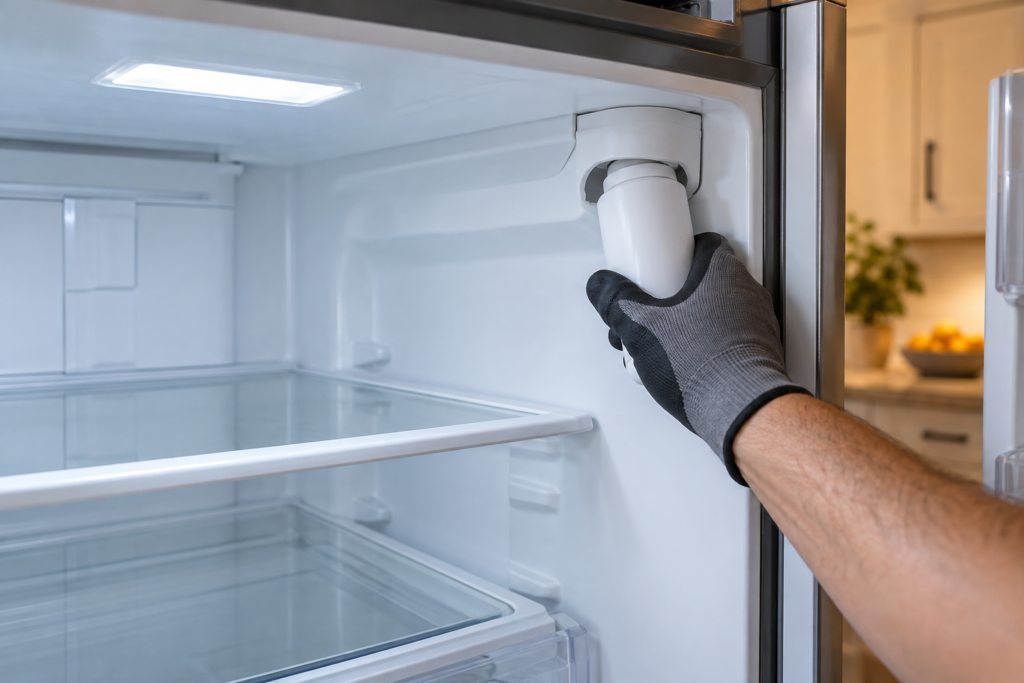
| When the panel asks | Change the refrigerator water filter | The appliance tracks the interval; the calendar in your head does not |
| Yearly | Professional check of hoses, vent run, and seals | Catches the leaks and restrictions that have no indicator |
Let the Appliance Do the Watching
The most valuable maintenance habit on a connected Samsung appliance costs nothing: keep it connected, and read what it sends. These machines report cycle completion, filter status, door-left-open conditions, and fault codes to the phone app. An owner who has notifications switched off has paid for a diagnostic system and then unplugged it.
Two practical points. First, check that the appliance is still on your network after a router change or a password update — connections drop quietly and nobody notices for months. Second, take the low-priority notifications seriously. A filter reminder ignored for a year is how a fill valve ends up working against a restriction.
The Jobs No Software Can Do
Everything in the table's quarterly rows is physical, and none of it is reported by an indicator until it has already become a fault.
- The washer debris filter. Behind the panel at the lower front. Left long enough it slows the drain until the machine reports a fault rather than a warning.
- The dryer lint housing. Not the screen — the slot underneath it, where a felted layer builds up and chokes airflow.
- The full vent run. From the back of the dryer to the outside hood, including the flap that birds and lint both like.
- The door gasket. Wipe it, dry it, and pull it open to check the fold where water sits after every wash.
- Behind and underneath. Dust on a condenser makes a compressor work harder for years before anything shows on a display.
Detergent Is a Maintenance Decision
The AI cycle features on these machines adjust wash time and water use based on what they sense in the drum. They cannot compensate for too much detergent. Over-dosing is the most common self-inflicted problem on modern front-load laundry, and the machine will eventually say so — Sud, excessive suds detected is the code that follows.
The fix is dull and it works: use high-efficiency detergent, measure it rather than pouring by eye, and use less than you think for a small load. Excess detergent does not rinse away. It stays in the gasket and the dispenser, feeds odor, and leaves residue on the drum that people then blame on the machine.
Our Samsung washer maintenance guide covers the self-clean routine in full, and the Samsung refrigerator maintenance guide does the same for the cold side.
Water Lines Deserve a Yearly Look
Every appliance in this line that makes ice, dispenses water, or fills a tub is connected to household plumbing by a line somebody installed once and nobody has looked at since. Refrigerators report water trouble directly — 33E is a water leak detected — but a slow seep behind a cabinet is exactly the kind of thing that stays quiet.
- Look at the shutoff valve. If it has not been turned in years, it may not turn when you need it to.
- Check where the line is crimped. The most common damage point is where the appliance was pushed back into place.
- Feel the floor at the front of the dishwasher and the washer. Dampness that dries between uses is still a leak.
- Replace rubber fill hoses on schedule. They age from the inside and give little warning.
Panels, Glass, and Touch Controls
The Bespoke idea is a finish you chose and may change later, which means the cosmetic side of these appliances is worth protecting rather than scrubbing. Use a soft damp cloth and dry it afterward. Abrasive pads, bleach-based sprays, and anything gritty will mark glass and coated panels permanently, and a scratched panel is not a warranty matter.
Touch controls deserve the same care for a functional reason: a film of cooking grease changes how the panel reads a fingertip, and owners regularly report a control fault that turns out to be a dirty surface.
The Yearly Visit
Most of this list is yours to do. The yearly items are not: vent runs, hose condition, seal compression, and condenser cleaning all want someone who can see whether a reading is drifting before it becomes a code. Our preventive maintenance service covers the whole set in one visit, and it is the cheapest hour you will spend on these appliances.
A maintenance visit starts from $99, with the final price confirmed after the on-site assessment and a written estimate before any work begins. You can book a visit or tell us which appliances you have and we will say what is worth including.